
High Street Betting Shops See Sharp Declines as Tax Changes Take Hold
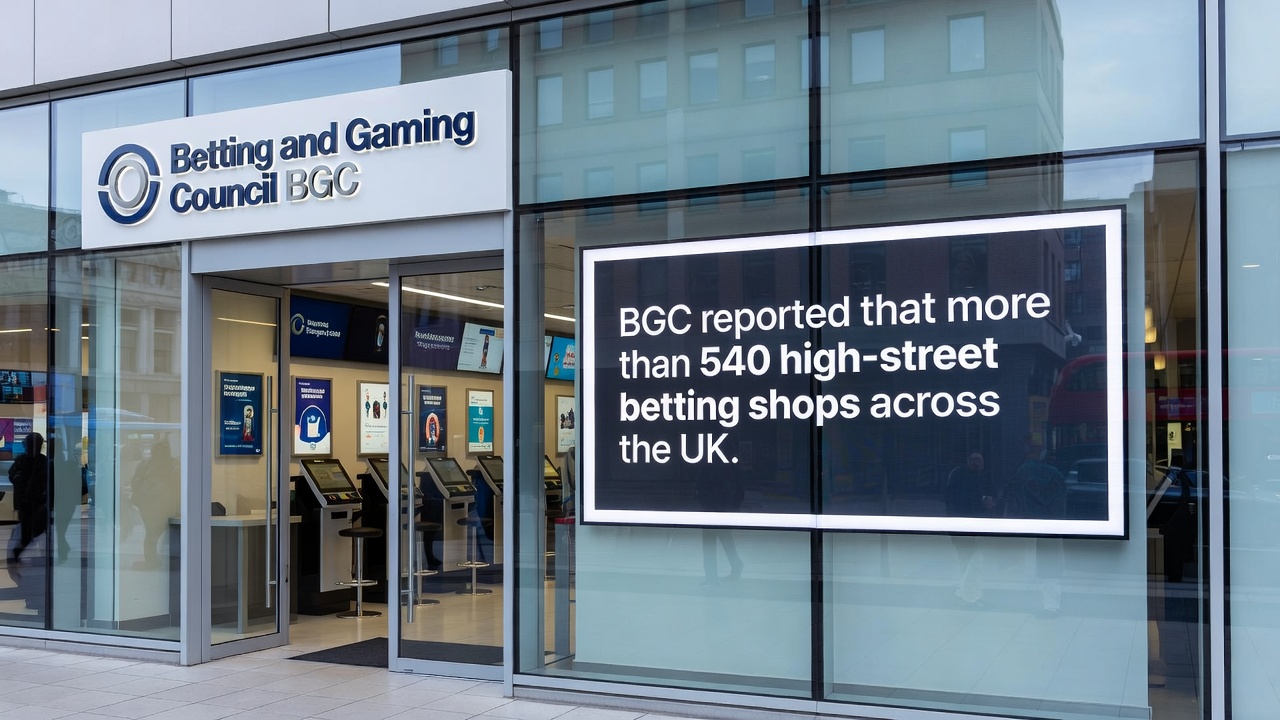
The Betting and Gaming Council has detailed how more than 540 high-street betting shops closed and around 4,500 jobs disappeared since the previous Budget, with rising taxes and operating costs cited as primary drivers behind the reductions. These figures build on earlier patterns that already showed roughly 3,000 shops and 15,000 positions eliminated since 2019, according to the same industry body. Observers note that the pace of change accelerated noticeably in the months following the latest fiscal adjustments.
Details Behind the Latest Closures
Figures released by the Betting and Gaming Council indicate that the most recent wave of shop shutdowns occurred between the 2025 Budget announcement and the summer of 2026, with many locations concentrated in town centres across England, Scotland and Wales. The council attributes the losses directly to increased tax burdens combined with higher energy, rent and staffing expenses that affected smaller and mid-sized operators first. Data shows the closures were not limited to a single chain, as independent sites and larger groups both reported reduced viability under the new cost structure.
Industry records further reveal that weekly footfall at remaining outlets dropped in several regions during the same period, while online alternatives captured a larger share of customer activity. Those who have tracked retail betting trends for years point out that the shift mirrors patterns seen in other high-street sectors facing similar tax and regulatory pressures.
Longer-Term Patterns Since 2019
Since 2019 the cumulative impact stands at approximately 3,000 shop closures and 15,000 job losses across the high-street betting sector, with the Betting and Gaming Council tracking these numbers through member submissions and public filings. The organisation states that successive tax increases, beginning well before the most recent Budget, steadily eroded margins and prompted operators to consolidate or exit certain locations entirely. August 2026 data released alongside the latest update shows no reversal in the trend, as additional sites prepared to wind down operations.
Warnings Over Upcoming Tax Measures
The Betting and Gaming Council has highlighted further risks from planned increases, including the doubling of online gaming duty scheduled for later implementation. Council statements emphasise that regulated businesses already operating under strict licensing rules now face compounded cost pressures that could accelerate additional closures beyond the 540 shops recorded so far. Figures indicate that smaller high-street venues remain most exposed, while larger groups explore cost-cutting measures to maintain presence in key markets.
External analyses from the American Gaming Association have examined comparable tax environments in other jurisdictions and found similar effects on physical retail outlets when duties rise sharply. The council argues that continued policy adjustments without corresponding relief measures will compound the existing job losses and reduce the sector's overall footprint on UK high streets.
Sector Contributions to Employment and Revenue
Despite the closures, the betting and gaming industry still supports tens of thousands of positions nationwide and generates substantial tax receipts that flow into public finances each year. The Betting and Gaming Council reports that member companies collectively contribute through employment taxes, business rates and specific gaming levies, even as the number of physical sites contracts. Data compiled by the organisation shows that remaining high-street locations continue to serve local communities while adapting to changing customer preferences.
Those monitoring economic indicators note that the sector's total economic footprint includes supply-chain spending and indirect employment in areas such as technology, security and facilities management. The council has presented these contributions alongside the closure statistics to illustrate the broader context of the industry's role within teh wider economy.
Conclusion
The Betting and Gaming Council’s latest update records more than 540 high-street betting shops closed and 4,500 jobs lost since the 2025 Budget, extending a decline that began with roughly 3,000 shops and 15,000 positions gone since 2019. The organisation points to rising taxes and operating costs as central factors and flags additional pressure from the planned doubling of online gaming duty. Figures released in August 2026 confirm the ongoing nature of these changes across UK high streets, with the council continuing to document impacts on regulated operators and the employment they provide.