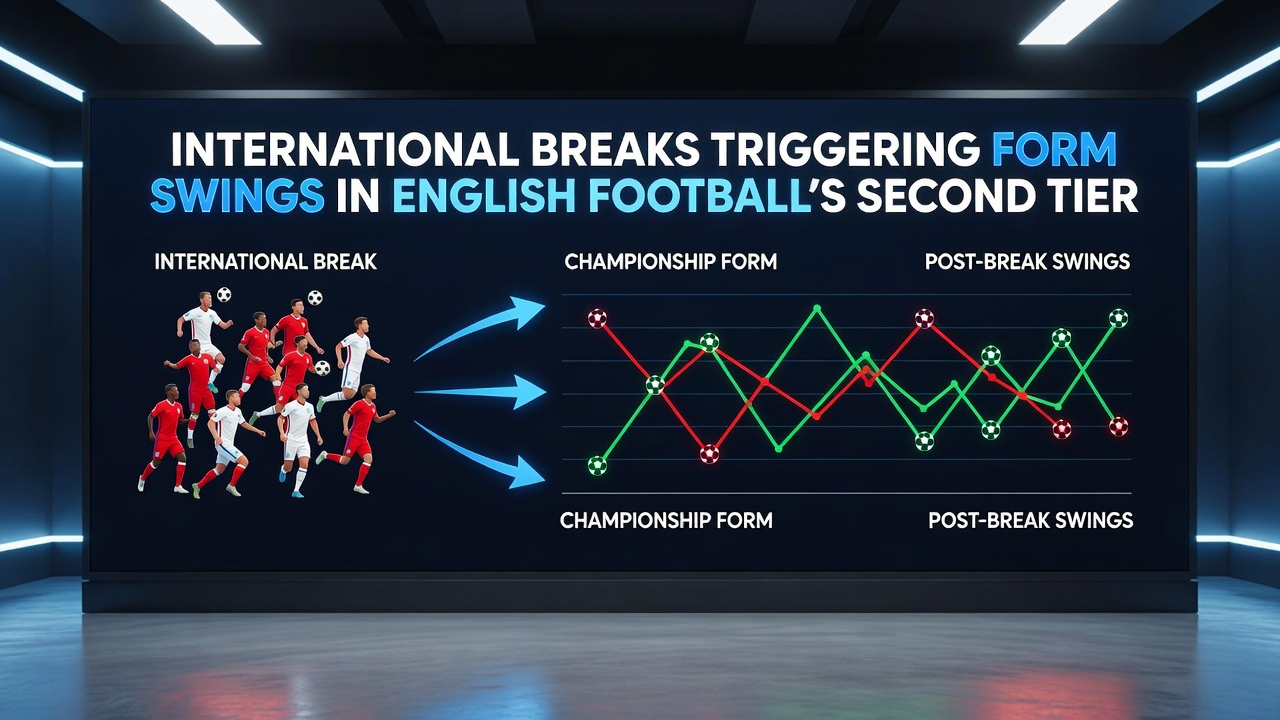
National Team Interruptions and Performance Variability in English Football's Championship
International breaks create distinct shifts in team performance across the EFL Championship, and data from recent seasons illustrates how these pauses influence results for clubs at this level. Teams often experience changes in form immediately after players return from national team commitments, with patterns emerging around fatigue, squad rotation, and tactical adjustments that coaches must navigate.
Patterns Observed in Championship Results
Observers note that Championship sides frequently post altered win rates in the matches following international windows, and studies tracking fixture outcomes between 2022 and 2025 reveal measurable differences compared to uninterrupted periods. For instance, clubs with multiple players on international duty tend to record fewer points per game in the subsequent two to three fixtures, while squads with lighter call-ups sometimes maintain steadier outputs. These trends appear across multiple campaigns, according to aggregated match data compiled by league analysts.
What's interesting is how the scale of the break plays a role. Longer windows, such as those aligned with World Cup qualifiers or major tournaments, correlate with more pronounced dips, whereas shorter breaks produce milder effects. Researchers at institutions including Loughborough University have examined recovery timelines for players traveling long distances, and their findings indicate that jet lag and match loads contribute to slower returns to club form in many cases.
Key Factors Driving the Swings
Multiple elements combine to produce these fluctuations. Player availability stands out as a primary driver, since Championship squads rely heavily on a small core of starters who often represent their countries. When those individuals depart for two weeks, managers adjust lineups, and teh resulting chemistry shifts can take time to stabilize upon return. Injuries sustained during international matches add another layer, with reports from the English Football League showing elevated soft-tissue issues among returning players in the weeks that follow.
Training disruptions also factor in. During breaks, clubs operate with reduced groups, which limits tactical drills and set-piece work that typically underpin weekly preparation. Upon resumption, coaches must reintegrate returning players while addressing any new instructions they received from national team staff. This overlap creates a brief period of adjustment that manifests in inconsistent performances on the pitch.
Data Trends Across Recent Seasons
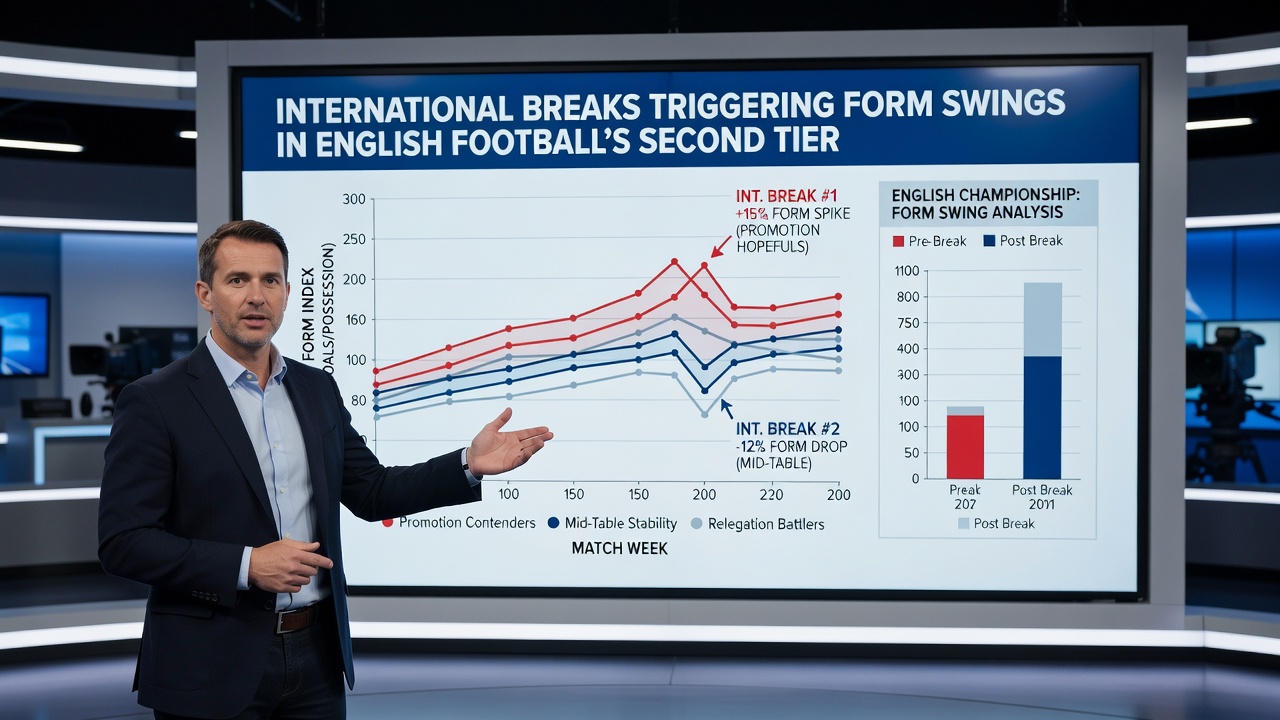
Figures from the 2024-25 campaign highlight specific examples. Teams that lost four or more players to international duty averaged 1.1 points per game in their next three matches, compared to 1.4 points in standard weeks. Similar patterns surfaced in earlier seasons, where promotion contenders sometimes dropped points against mid-table opponents immediately after breaks. Data indicates these effects appear more consistently in the Championship than in the Premier League, likely due to thinner squads and greater reliance on key individuals.
Academic work published through the FIFA Technical Report series supports these observations by analyzing recovery metrics across European leagues. The reports emphasize that second-tier players often face compressed schedules upon return, with limited recovery time before domestic fixtures resume. European governing bodies have tracked similar data, noting that midweek travel for qualifiers amplifies the physical demands compared to shorter regional call-ups.
Seasonal Context Entering July 2026
As clubs prepare for the 2026-27 campaign, pre-season schedules in July 2026 intersect with ongoing discussions about the international calendar. FIFA's planned adjustments to future windows aim to reduce overlapping demands, yet Championship teams continue to monitor how these changes will affect early-season form. Historical records suggest that the first post-break fixtures after summer internationals carry particular weight, since squads are still building match fitness while incorporating new signings.
Coaches have adapted by implementing targeted recovery protocols, including individualized training loads and monitoring tools that track sleep and muscle readiness. These measures help mitigate some swings, though complete elimination remains unlikely given the structural nature of national team obligations.
Conclusion
International breaks continue to shape performance trajectories in the Championship through a combination of player absences, recovery challenges, and tactical resets. Data collected over multiple seasons demonstrates consistent patterns that clubs and analysts track closely, while ongoing calendar reviews by international bodies seek to address some of the underlying pressures. The interplay between national duty and domestic results remains a defining feature of competition at this level.